
Best Times of Year to Photograph Wildlife in Kent
27th August 2025
A guest blog written by Dakota Murphey
The diversity of Kent offers exceptional opportunities for wildlife photography throughout the year. From the coastline and marshes to rolling woodlands and flower-rich meadows, this southern region transforms with each season and brings unique species into focus. Success in photographing the changing wildlife depends on timing and working with the natural cycles of the year.
Capture Kent at its best
Before venturing out with your camera, invest some time into researching the wildlife you want to photograph. Animal behaviour, feeding patterns, and seasonal movements all change dramatically throughout the year, and a deeper understanding will significantly improve your chances of success. Check out local wildlife groups, nature reserves, and other online resources, which will provide valuable insights into what species are active when and where to find them in Kent.
It’s also important to practice ethical photography. Maintain an appropriate distance from your subject, both for their wellbeing and your safety, and learn to recognise the signs of stress or agitation in animals and birds so you can prioritise their wellbeing before getting the shot. Reading up on the official Countryside Code before you head out will ensure you’re acting in accordance with these best practices.
For a comprehensive overview of essential concepts in wildlife photography, including how to find and approach your subjects ethically, comprehensive photography guide by MPB.
Kent’s changeable weather can make or break a photography session. Always check forecasts before you head out so you can prepare accordingly and bring the right equipment along. A sturdy tripod or stabiliser, for example, can be invaluable for those longer telephoto shots, especially in low light.
Spring
Spring in Kent is an explosion of activity as the natural world wakes up from its winter dormancy. For photographers, walks through this area offer some of the most rewarding opportunities, especially for birdlife. While capturing stunning shots, remember that time spent in nature also offers significant wellbeing benefits; for insights on how to fully embrace these, for insights on how to fully embrace these, read our advice for Mindful Walks for Mental Health. Coastal areas are abuzz with returning species, and the breeding season brings some truly dramatic displays, from the elaborate courtship rituals of grebes to the seabird colonies along the coast.
Spring also sees young mammals venturing from their dens and burrows, from fox cubs beginning to explore to deer fawns taking their first tentative steps. Early pollinators are also emerging at this time of year, with bees, beetles and ladybirds providing excellent macro photography subjects.
Sevenoaks Wildlife Reserve provides excellent opportunities for woodland species and early migrants. The varied habitats here support diverse bird populations, while the network of paths allows for strategic positioning. Oare Marshes also becomes a magnet for migrating waders and waterfowl, with the added advantage of hides that allow close observation without disturbance.
Summer
Summer is when Kent comes alive, and the longer days provide extended shooting opportunities. Many mammals become more conspicuous during summer as they forage extensively to support growing families. Bats emerge earlier and stay active longer, providing opportunities for flight photography against twilight skies, while the abundance of flowering plants creates perfect conditions for photographing pollinators like dragonflies which patrol the waterways with jewel-like intensity. For even more inspiration and ideas to make the most of the season, discover Kent’s summer attractions.
Stodmarsh National Nature Reserve’s flower-rich meadows and wetlands support an incredible diversity of species. The reserve’s boardwalks and paths provide excellent vantage points for photographing both aquatic and terrestrial wildlife. Elmley National Nature Reserve, meanwhile, on the Isle of Sheppey, offers spectacular opportunities for photographing marsh-dwelling species against dramatic skyscapes.
Autumn
Autumn brings some of Kent’s most dramatic wildlife spectacles as massive migrations transform the county’s skies and shorelines. This season also combines the excitement of transient visitors with the photogenic appeal of autumn colours, making it a prime time for photography. To discover prime locations for experiencing these vibrant landscapes and perhaps finding your next photographic subject, explore our selection of amazing autumnal walks in Kent.
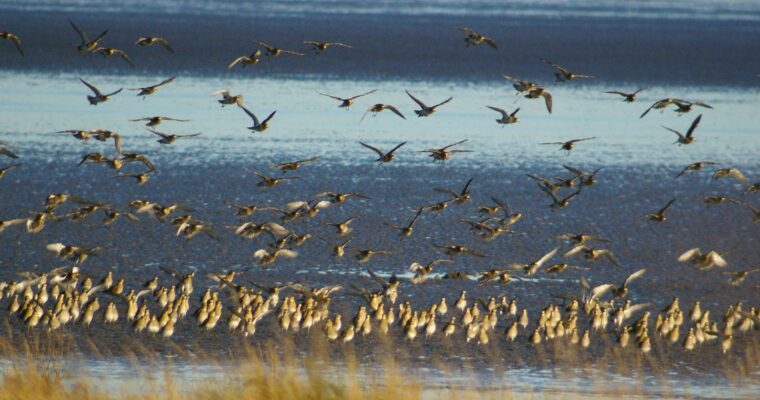
Spectacular murmurations of starlings create living sculptures in the sky, particularly around coastal roosts, and while not strictly wildlife, fungi become a popular photographic subject in woodlands like Knole Park, adding variety to woodland photography sessions. The combination of fungi, autumn foliage, and wildlife creates rich, layered compositions. The lower sun angle at this time of year provides opportunities for dramatic backlighting, particularly effective when photographing flocks of birds or silhouetted mammals. The warm, golden light enhances autumn colours and creates atmospheric effects that can transform ordinary subjects into compelling images.
Winter
Winter strips away the distractions of summer to reveal the true character of Kent’s wildlife. The stark landscapes create dramatic backdrops, and many species become more visible against these simplified backgrounds. Many birds develop distinctive winter plumage, which gives photographers fresh opportunities for familiar species. Garden birds also concentrate around feeding stations, so there are more chances for close observation and photography.
Kent’s winter weather provides opportunities to capture wildlife in challenging conditions. Snow, frost, and dramatic skies will add more atmosphere to your wildlife images, though it’s important to make sure you have the right bag for your equipment to protect it against the colder and wetter weather. For even more inspiration for getting out and about this season, check out our Wonderful Winter Walks in Kent.
The Medway Estuary hosts significant numbers of overwintering waterfowl, with many species more approachable than during the breeding season, and Leybourne Lakes Country Park provides excellent opportunities for photographing waterbirds against a varied mix of potential backgrounds.a
The county’s exceptional diversity of habitats ensures year-round opportunities for compelling wildlife photography, from the drama of spring migrations to the stark beauty of winter landscapes. So, grab your camera and head out to explore—you might be surprised at the incredible shots you can capture.
Popular articles
Walking the Pilgrims Way
Experience the beauty of walking across the Kent Downs NL through the…
Pumpkin Picking in Kent 2024
Get ready for pumpkin picking season and head out with loved ones…
Explore Kent’s Scenic Walks by Train
Discover Kent's hidden gems hassle-free by train, where you can start walking…